






Dry bag, stuff sack or pack liner?
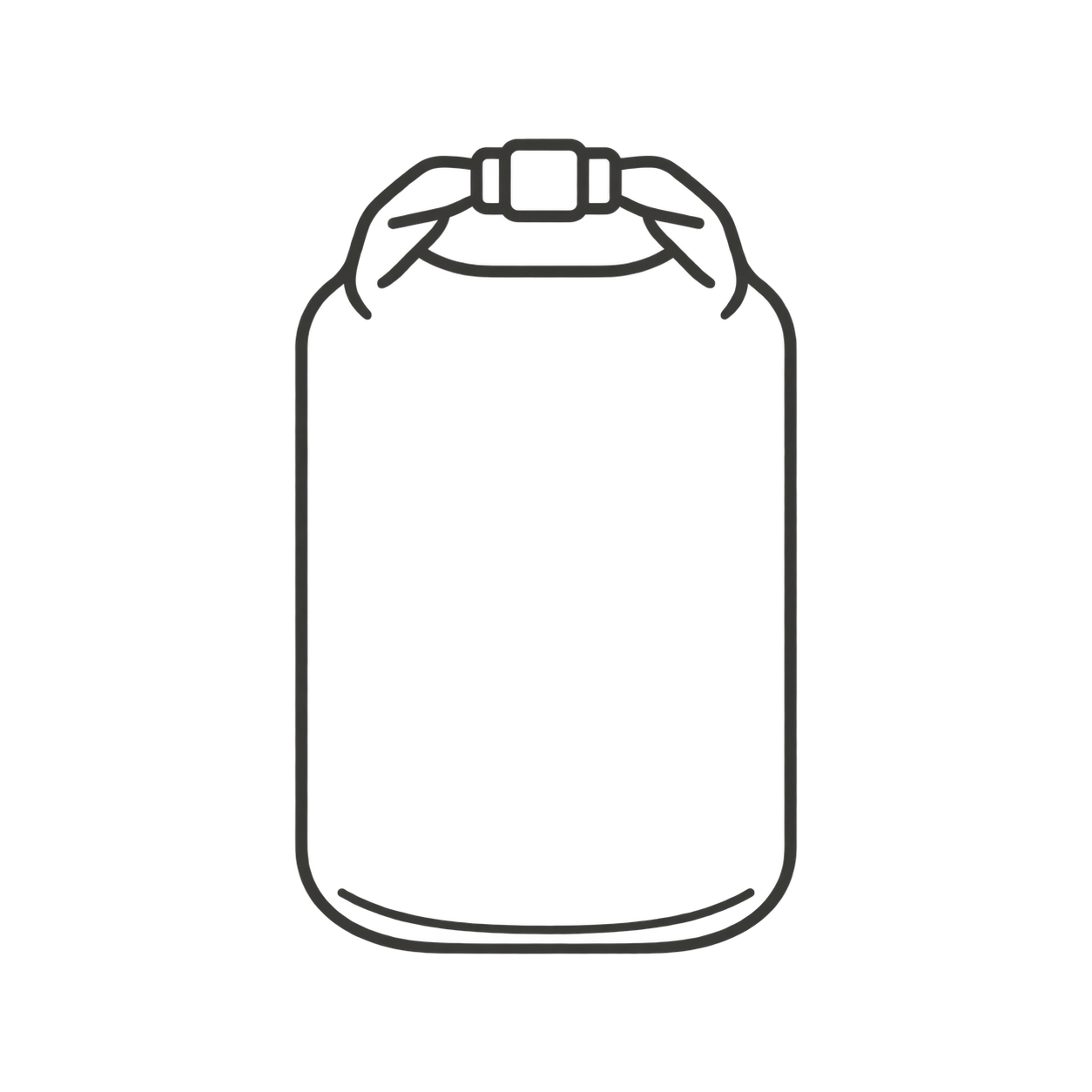
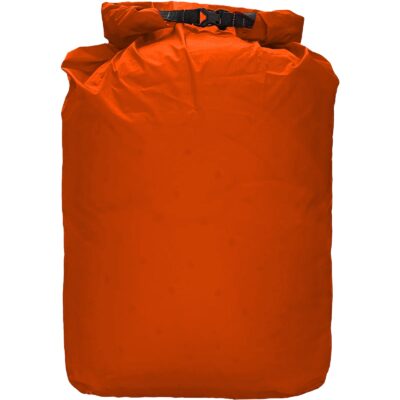
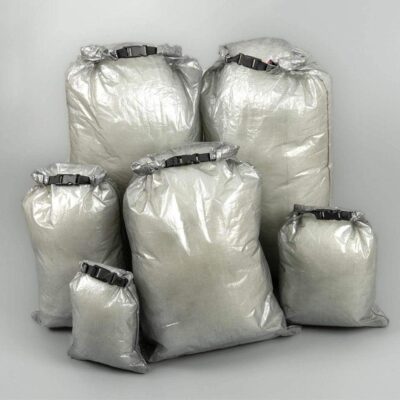
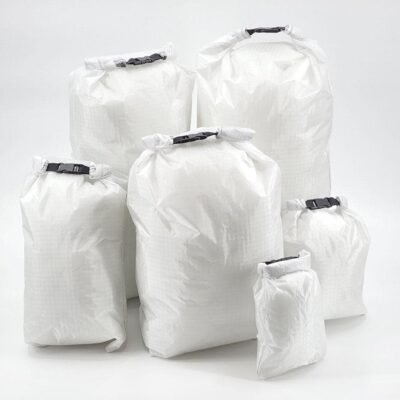
- Dry bags have a roll-top closure and taped seams. Roll the top three times, click the buckle and the contents stay dry, also in a saddle bag or pannier. Use them for your quilt, sleep clothes and electronics.
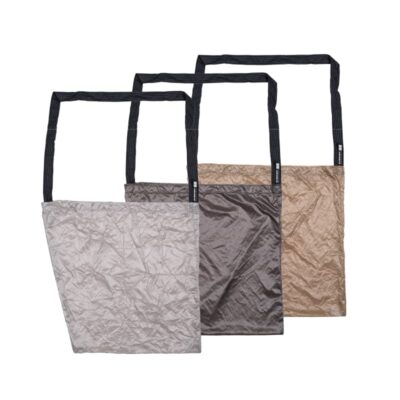
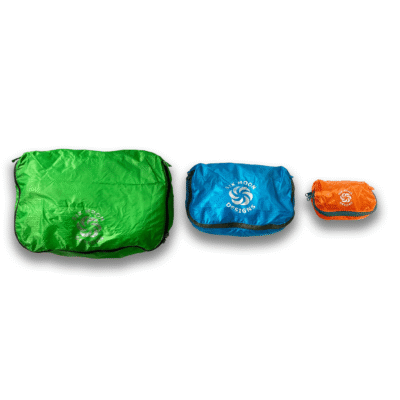
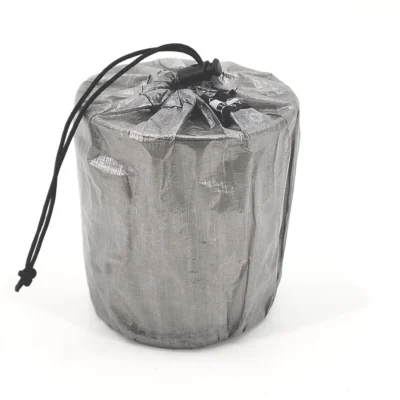
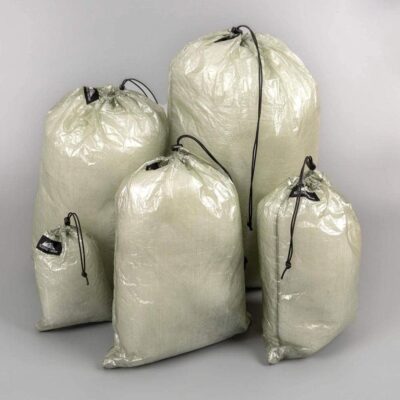
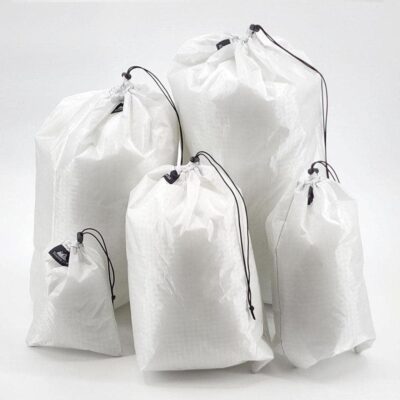
- Stuff sacks close with a drawcord. They keep your gear organised, but they are not fully waterproof.
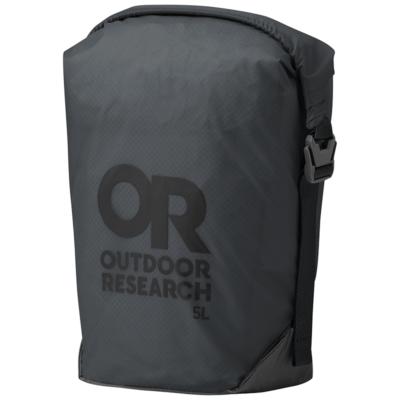
- Compression bags have straps to squeeze a quilt or sleeping bag down to a small block.
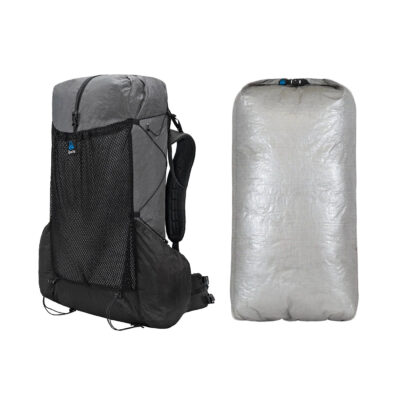
- Pack liners from Zpacks and Six Moon Designs go inside your backpack and keep everything dry in one go.
Which material?
- Dyneema: very light and waterproof, used by Zpacks and Hilltop Packs. The lightest choice, at a higher price.
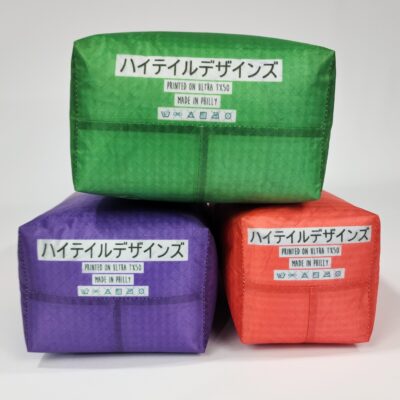
- ECOPAK: a laminate made from recycled polyester, waterproof and stronger against abrasion than Dyneema. Hilltop Packs uses it for its dry bags and stuff sacks.
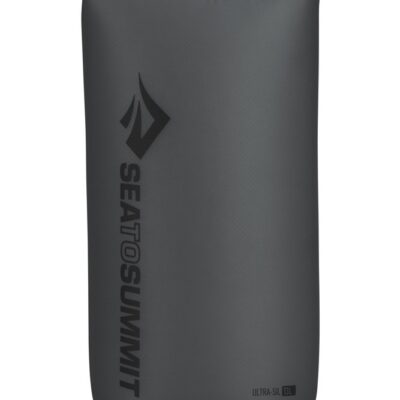
- Silnylon: silicone coated nylon, light and affordable. The Sea to Summit Ultra-Sil dry bags and the Outdoor Research compression sacks use it.
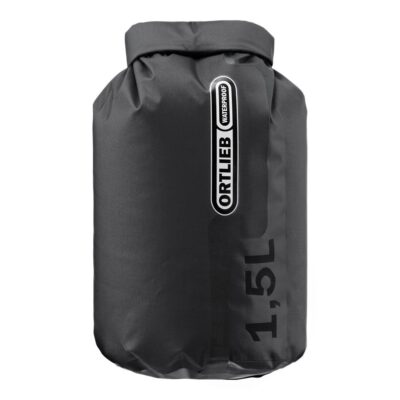
- PS10 nylon: the Ortlieb PS10 dry bags, a bit heavier but very tough and made in Germany.
Tips for packing
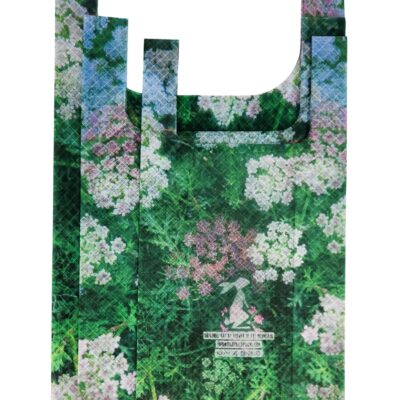
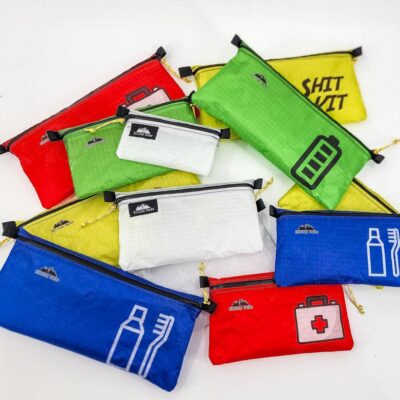
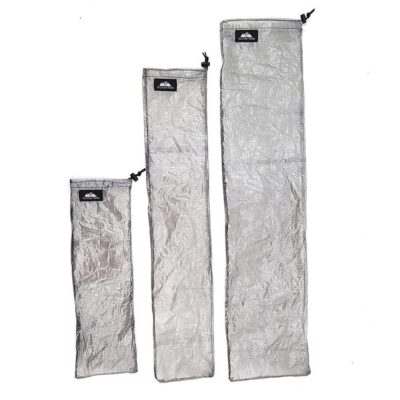
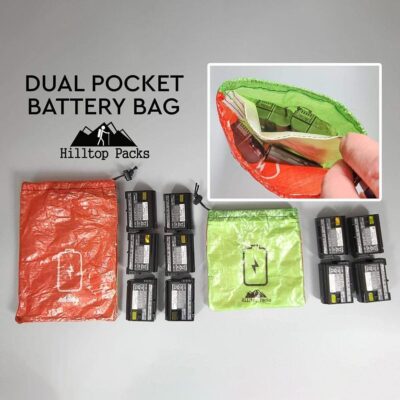
Use a different colour or size per group of gear, so you know what is inside without opening it. And put everything that must stay dry, like your quilt and sleep clothes, in a real dry bag or a pack liner. Hilltop Packs is a small cottage brand and also makes pouches for your cook pot, tent poles and stakes.
Frequently asked questions
Are stuff sacks waterproof?
Most are not. The fabric may be waterproof, but the seams and the drawcord opening let water in. For gear that must stay dry, take a roll-top dry bag.
Do I need a pack liner if my backpack is waterproof?
Seams, zippers and the top opening of a pack still let water in during a long day of rain. A pack liner weighs little and keeps your quilt and clothes dry.